
LKC Medicine x National Skin Cancer Singapore Collaboration

Roles & Responsibility
- Collaborated with the team to produce an AI-assisted video for the National Skin Centre Singapore.
- Generated AI visuals and videos using Vidu AI.
-
Created and refined prompts to achieve the desired visual output.
-
Edited and assembled the final video in Adobe Premiere Pro.
-
Improved video pacing, transitions, and audiovisual synchronization.
-
Combined team members' work into a cohesive final production.
-
Tested and evaluated AI-generated content for quality and accuracy.
- Collaborated with teammates to refine and enhance the final video.
LEARNING JOURNEY:
During my internship, I was given the opportunity to work together with my team on producing a video project for the National Skin Centre Singapore using AI-generated visuals and audio. This project exposed me to a different side of media production where artificial intelligence tools were integrated into the creative workflow. It was an interesting and challenging experience that allowed me to explore new software, strengthen my teamwork skills, and improve my adaptability when handling unfamiliar tasks.
For this project, our team decided to split the workload among ourselves before combining all the individual parts into a final completed video. This workflow allowed each team member to focus on specific responsibilities while ensuring that the overall production process could move more efficiently. Working collaboratively in this manner taught me the importance of communication and coordination, especially when multiple people are contributing to a single creative project.
One of the most interesting parts of the project was being introduced to a new AI software called Vidu AI by one of my teammates. The software allows users to generate images and videos through text prompts or reference pictures. I found this particularly fascinating because it demonstrated how AI could assist in creating visual content much faster than traditional methods. It was my first time experimenting with this type of AI generation platform, and I was excited to learn how prompt-based generation worked.
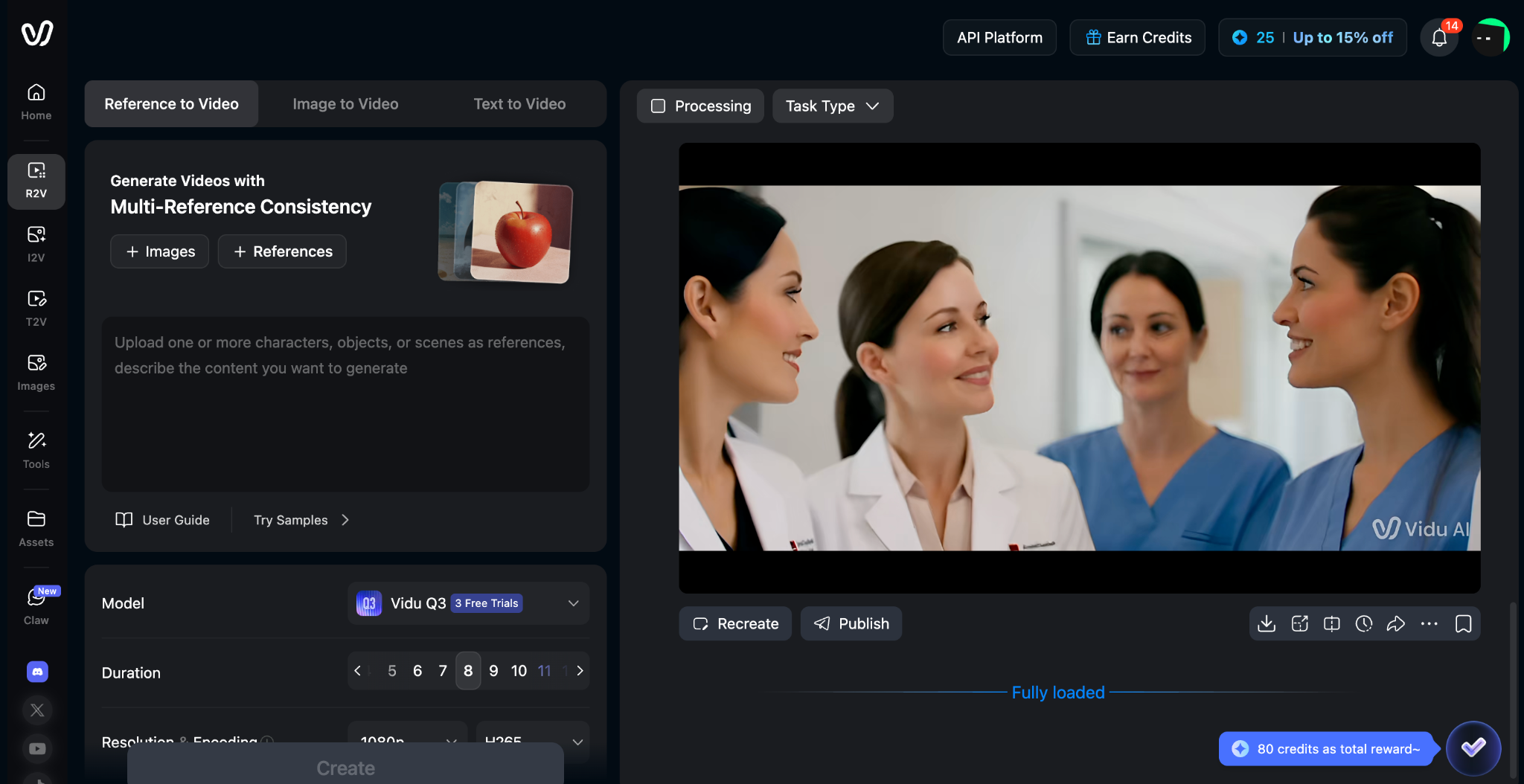
However, the process turned out to be much more challenging than I initially expected. One major difficulty I faced was creating prompts that could generate visuals matching the exact style and quality we wanted for the video. Many of the generated outputs did not align properly with the intended concept, requiring me to repeatedly refine and regenerate prompts in order to achieve more suitable results. This trial-and-error process took a considerable amount of time and patience.
Another challenge was the limitation of using the free version of the software. Since the platform operated on a credit system, I had limited opportunities to regenerate images and videos. Because of this, I had to think carefully before each attempt and make sure my prompts were as detailed and accurate as possible. This experience taught me how important prompt engineering is when working with AI-generated content, as even small changes in wording could significantly affect the final output.
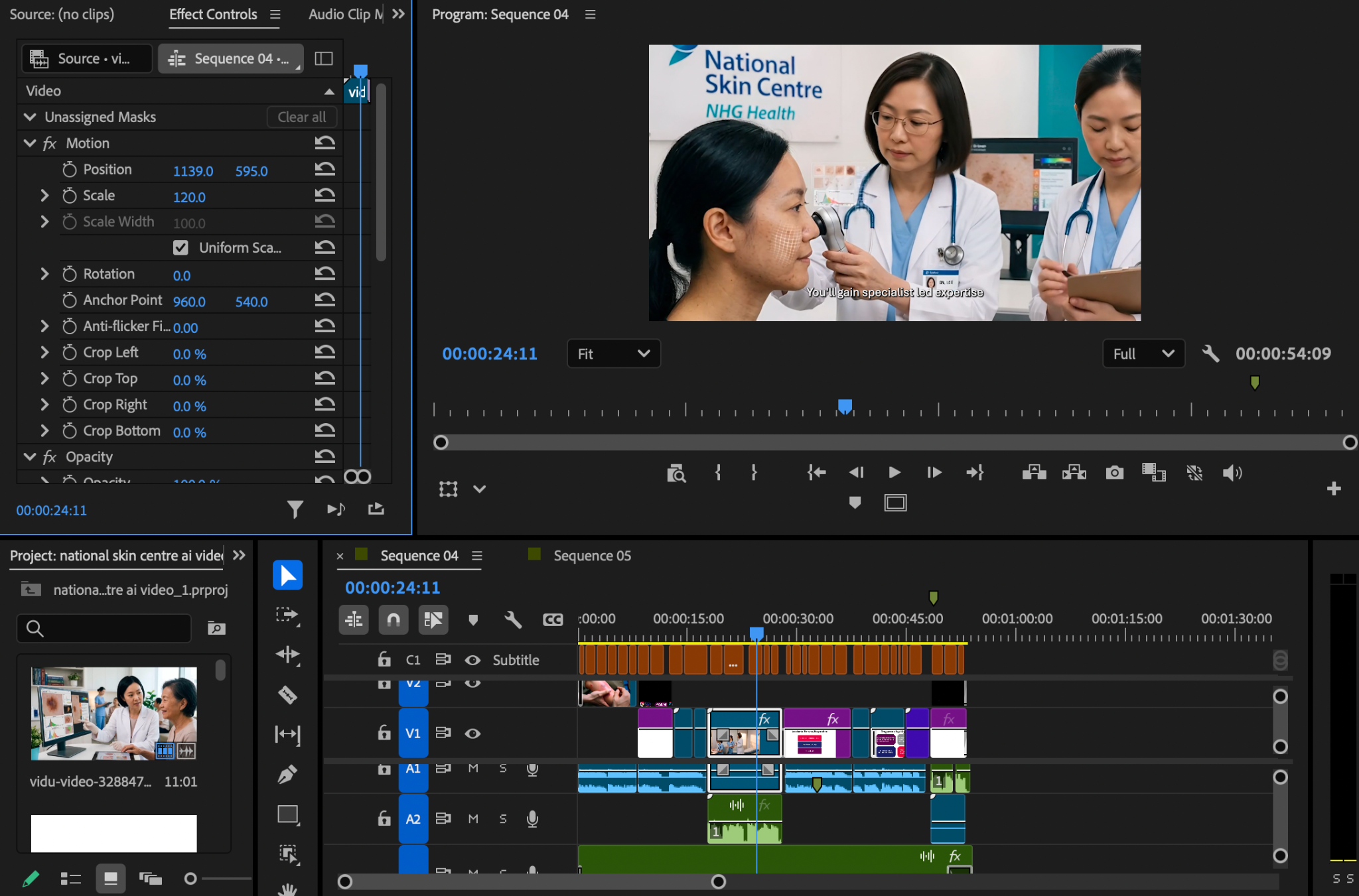
As the project progressed, my team and I continued refining the video together. We worked on improving the pacing, transitions, visuals, and overall flow of the content to make it more engaging and visually appealing. After each team member completed their assigned sections, I combined all the generated clips and edits together in Adobe Premiere Pro to create the final completed video. Using Premiere Pro allowed us to further refine the project by adjusting transitions, synchronizing visuals and audio, and ensuring the final video felt smooth and cohesive.
Through multiple rounds of editing and discussions, I learned how important collaboration is within creative production. Each team member contributed different ideas and perspectives, which helped improve the final outcome of the project. One thing I also realized during the editing process was that although AI tools can assist in generating content quickly, substantial manual refinement is still required to produce a polished final product. AI-generated visuals and audio alone were not enough to ensure quality and clarity. Adjustments still had to be made manually to synchronize visuals properly, improve scene transitions, and maintain audience engagement throughout the video.
Besides working on the video itself, the project also helped me become more comfortable experimenting with unfamiliar technology. Initially, I felt uncertain because I had little prior experience using AI-powered media generation software. However, as I spent more time exploring the tools and understanding how they functioned, I gradually became more confident in using them creatively and effectively.
Overall, working on the National Skin Centre Singapore video project was a valuable learning experience that expanded my understanding of AI-assisted media production. It allowed me to explore emerging technologies, develop problem-solving skills through experimentation, and experience the challenges involved in producing creative content using artificial intelligence tools. More importantly, the project showed me that while AI can greatly improve efficiency and assist with content generation, human creativity, judgment, and collaboration still play a crucial role in producing meaningful and engaging media content.
Post a comment