Medical Humanities Video
Key Roles & Responsibility:
- Assisted in script development and pre-production planning.
- Planned filming locations, equipment, and production requirements.
- Filmed B-roll footage and operated cameras and a gimbal.
- Operated the teleprompter during interview recordings.
- Assisted with camera setup, framing, and production equipment.
- Collaborated with the production team throughout filming.
- Contributed creative shot ideas and supported on-set decision-making.
- Adapted to communication and production challenges.
- Ensured smooth production workflow through teamwork and coordination.
- Supported the successful completion of the educational video project.
LEARNING JOURNEY:
During my internship, I had the opportunity to contribute to the Medical Humanities project, where I was involved in both the pre-production and production stages of creating an educational video. My responsibilities included developing the script, planning the filming process, preparing production requirements and filming B-roll footage around the campus. Through this project, I gained valuable experience in video production while further developing my teamwork, communication and technical skills in a professional working environment.
During the pre-production stage, I continued refining the video script by adding more detailed information, such as the filming locations, required equipment and production requirements. This planning process allowed the team to have a clearer understanding of the workflow before filming. I also learnt that thorough preparation is important, as it helps minimise confusion during production and ensures that everyone understands their responsibilities.
One of the challenges I encountered during pre-production was communication within the team. Similar to previous group projects that I had experienced, I found it difficult to encourage active discussions among team members. Before one of our discussions, I asked the group through our messaging platform whether everyone was able to access a video file sent by our full-time staff. Unfortunately, I did not receive any responses until much later, when one teammate mentioned that they were unable to access the file. I also tried initiating face-to-face discussions and left comments in our shared document to gather opinions, but there was very little engagement, with only one teammate responding consistently.
This experience made me reflect on my own communication approach. Instead of expecting everyone to participate in face-to-face discussions, I learnt that different people have different communication preferences. To adapt, I relied more on text messages and documented important information clearly so that everyone could refer to it at their own pace. Although communication remained a challenge, the experience taught me the importance of flexibility, patience and adapting my communication style to better suit different team members. It also reminded me that effective collaboration requires not only sharing information but also finding ways to encourage participation from everyone involved.
During day 1 of production stage, my team spent an entire day filming B-roll footage around the campus. Since we were visiting some of the filming locations for the first time on the actual shoot day, many of our shots had to be planned on the spot. This required us to think creatively and make quick decisions while working within the available environment. We experimented with different camera angles, movements and shot sizes to determine which compositions would best support the story. Many of the spontaneous ideas we developed during filming turned out to be more visually engaging than our original plans, demonstrating the importance of remaining adaptable during production.
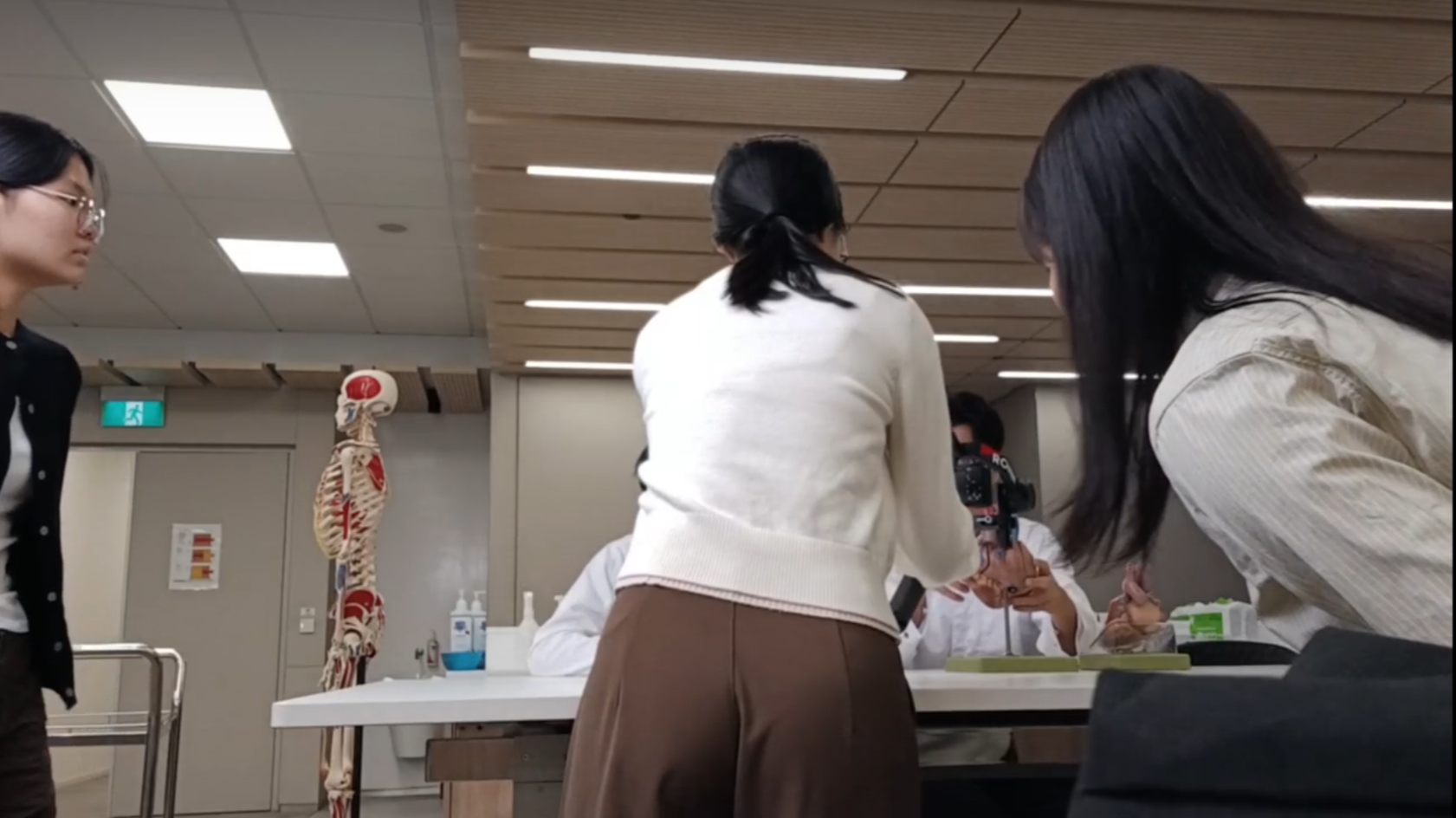
Throughout the filming process, we took turns operating the camera so that everyone could gain hands-on experience. During my turn, I had the opportunity to use a gimbal, a piece of equipment that I had not previously used in school. Initially, operating the gimbal was challenging because I was unfamiliar with its controls and movements. Achieving smooth and stable shots required practice, and I found it difficult to execute the camera movements I had envisioned. However, after spending time experimenting with the equipment and receiving guidance from my teammates, I gradually became more comfortable and confident using the gimbal. This experience strengthened my camera operating skills and gave me practical experience with professional filming equipment in a real production environment.
When I was not operating the camera, I actively supported my teammates by helping them frame shots, suggesting camera angles and ensuring that we captured the footage we needed. I also encouraged everyone to take turns using the gimbal so that each team member could gain practical experience instead of leaving the equipment to only one operator. Working together in this way reinforced the importance of teamwork, as every member contributed to achieving the final outcome.
Overall, this project allowed me to develop both my technical and interpersonal skills. From planning scripts and coordinating production to operating new equipment and adapting to communication challenges, I learnt that successful video production depends not only on technical ability but also on effective collaboration, flexibility and continuous learning. The experience has increased my confidence in working within a production team and has prepared me to contribute more effectively to future media projects.
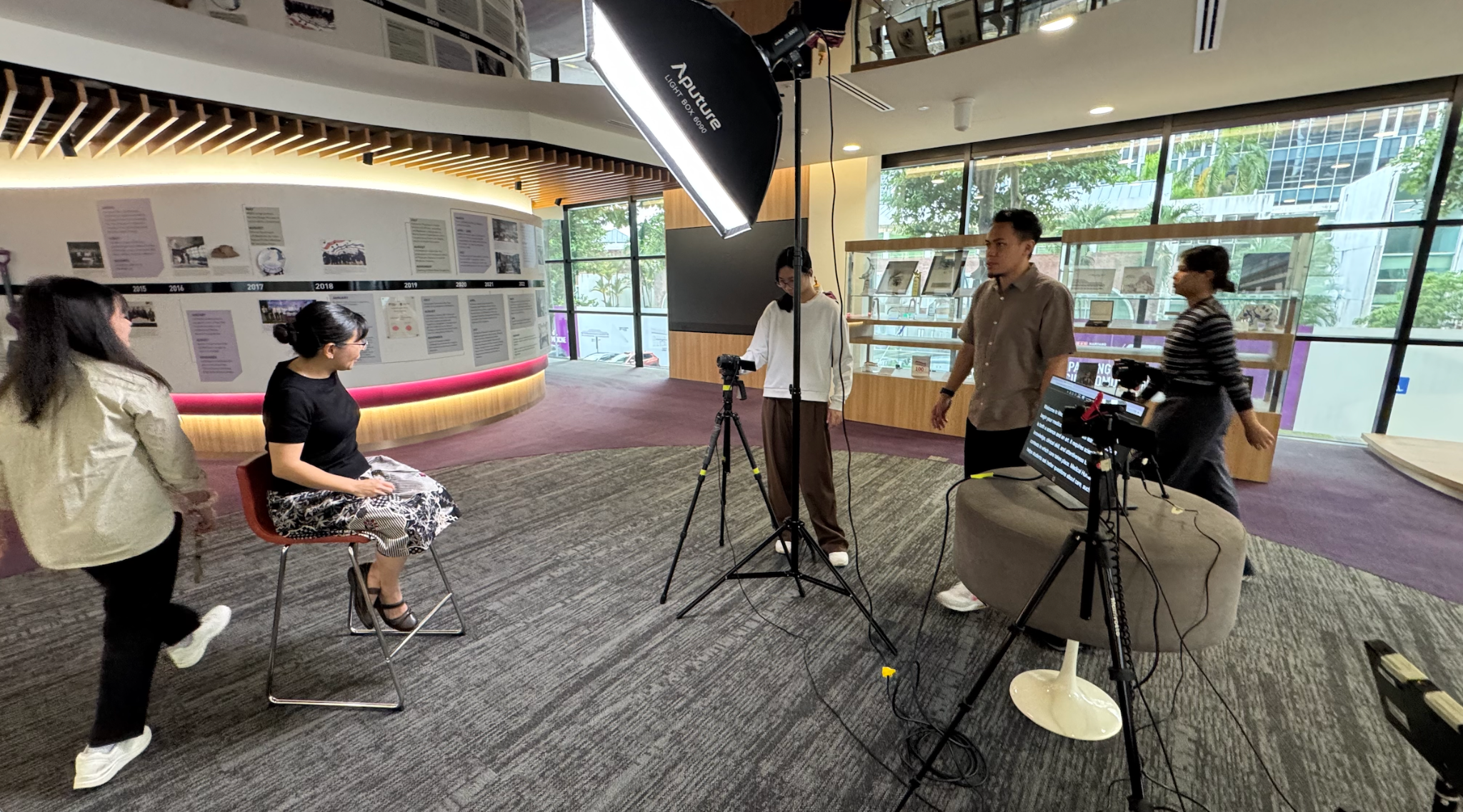
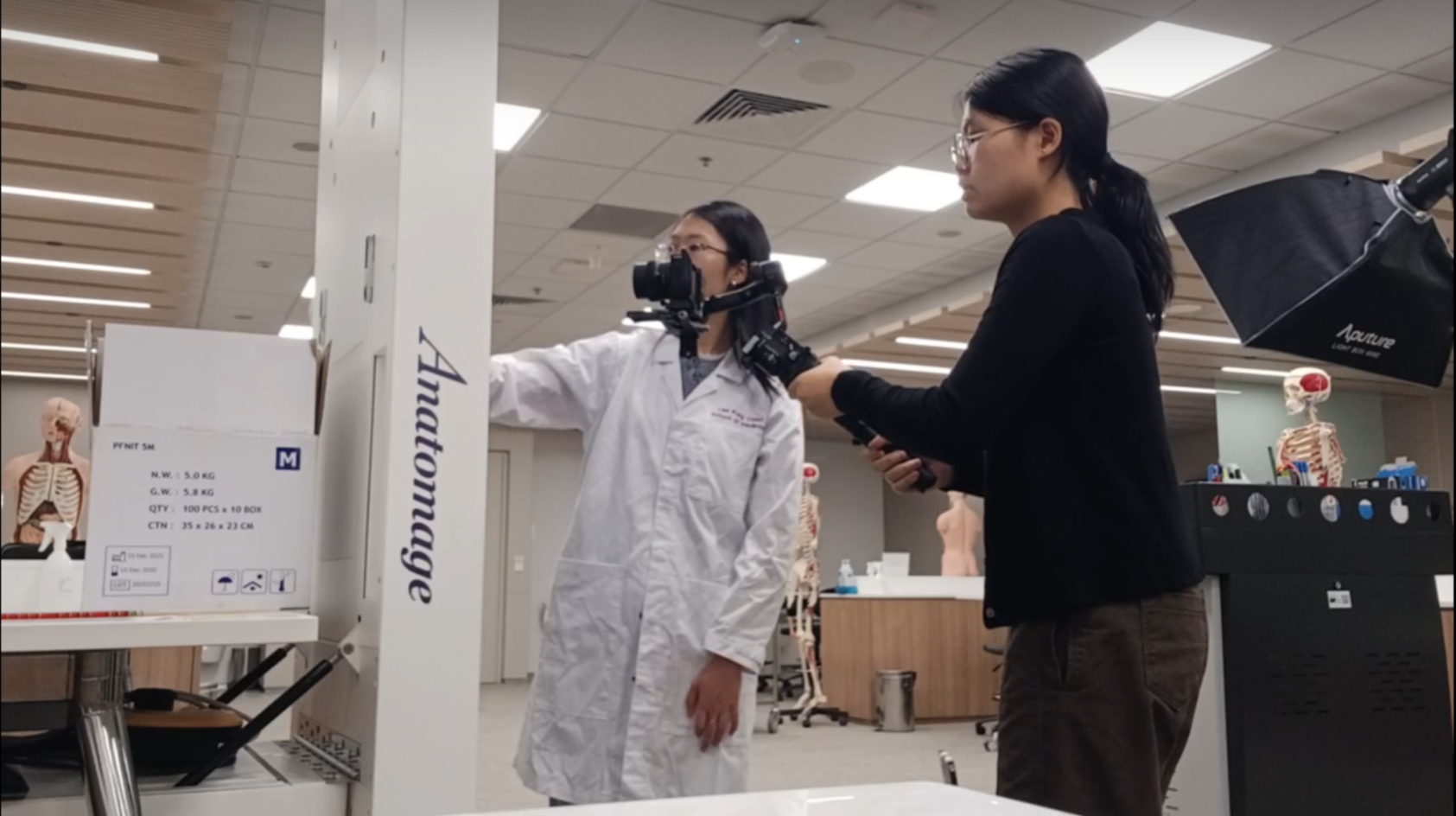
The second day of the Medical Humanities shoot focused mainly on filming the interview, followed by capturing two pickup shots to complement the main footage. The overall shoot went smoothly, and I was responsible for operating the teleprompter during the interview. Although the teleprompter scrolled automatically, my responsibility was to monitor the interviewee's reading pace and adjust the scrolling speed whenever necessary so that she could read comfortably while maintaining natural eye contact with the camera. This required me to pay close attention throughout the interview and communicate with the production team to ensure the recording progressed smoothly.
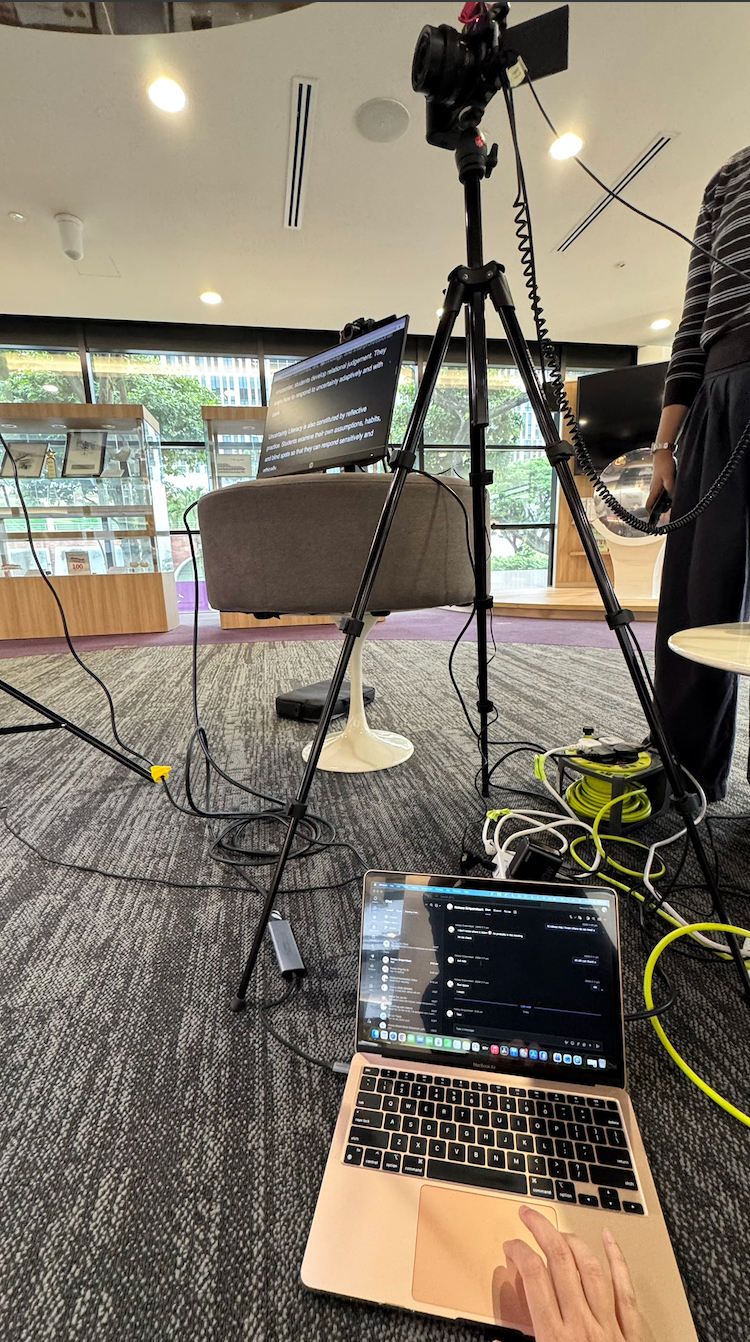
Through this experience, I learnt the importance of paying close attention, communicating effectively with the production team, and adjusting the teleprompter speed according to the interviewee's reading pace. Although it seemed like a simple task, I realised that it played an important part in ensuring the interview was recorded smoothly and efficiently. After completing the interview, the team proceeded to film two pickup shots that were needed to complete the production.
Even though I personally felt that operating the teleprompter was one of the simpler responsibilities during the shoot, I still took the initiative to assist my teammates with setting up the cameras, adjusting the framing and other filming equipment before the interview began. Through this shoot, I gained a better understanding of the importance of teamwork, preparation and being willing to contribute beyond my assigned responsibilities. I also realised that every task, regardless of how simple it may seem, contributes to the success of the overall production.
Post a comment